
Weight Loss Injections vs Bariatric Surgery: Which Is Right for You?
If you have followed the buzz around Mounjaro and Wegovy, you may be wondering whether a weekly injection can now do what surgery once did. It is a fair question, and the answer is not a simple yes or no.
The right choice depends on your BMI, your health conditions, your goals, and how long you want the results to last. If you are comparing medicines with weight loss surgery in Hyderabad, this guide explains how each option works, what the evidence says, and how to decide with your doctor.
How Do Weight Loss Injections Work?
Weight loss injections belong to the GLP-1 family of medicines. Semaglutide (Wegovy) mimics the GLP-1 gut hormone, while tirzepatide (Mounjaro) acts on both GLP-1 and GIP. They reduce hunger, increase fullness and slow the emptying of the stomach, so you naturally eat less.
The results are real. In the STEP 1 trial, people on semaglutide lost about 15% of their body weight on average with lifestyle support. In the SURMOUNT trial, the highest dose of tirzepatide led to roughly 21% weight loss over 72 weeks.
There are trade-offs, though:
- Results depend on continuing the drug. Studies show hunger returns after stopping, and much of the weight often comes back.
- Side effects are common. Nausea, vomiting, constipation and diarrhoea are the usual ones. Pancreatitis and gallbladder problems are rarer.
- Not for everyone. People with a personal or family history of medullary thyroid cancer should not take them.
- Costs add up. Treatment is ongoing, so the expense repeats every month.
What Is Bariatric Surgery?
Bariatric surgery changes your digestive system so you feel full sooner and, in some procedures, absorb fewer calories. Most operations are done laparoscopically, through small cuts, which means less pain and a quicker return to routine. Today, Bariatric Surgery in Hyderabad is performed with these minimally invasive techniques, and patients are encouraged to start walking soon after the operation.
The most common procedures are:
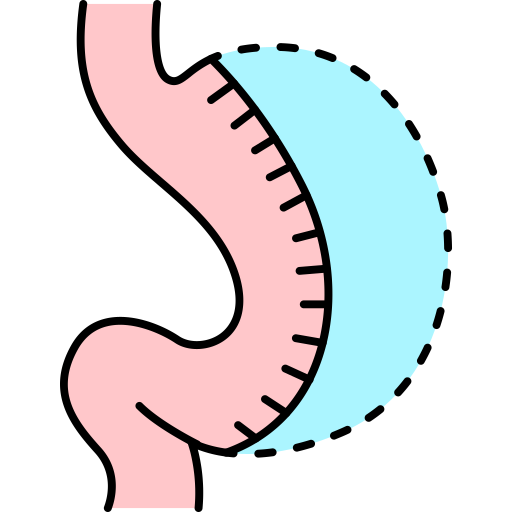
- Gastric sleeve: removes about 70–80% of the stomach and lowers the hunger hormone ghrelin.
- Gastric bypass and mini gastric bypass: reroute food past part of the stomach and small intestine.
- Revision surgery: corrects or improves an earlier weight loss procedure.
People typically lose around 25–30% of their body weight after surgery, and because the change is anatomical, the results are far more durable. Surgery can also improve type 2 diabetes, sometimes to the point of remission, and helps with blood pressure, sleep apnoea and joint pain. Risks include bleeding, infection, leaks and nutrient deficiencies, which is why lifelong supplements and regular follow-up are part of the deal.
Injections vs Surgery at a Glance
| Factor | Weight loss injections | Bariatric surgery |
|---|---|---|
| Average weight loss | About 15% (semaglutide) to 20% (tirzepatide) | About 25–30% |
| How long results last | Generally only while on treatment | Long-term, with lifestyle and follow-up |
| Treatment | Weekly self-injection | One-time laparoscopic procedure |
| Common concerns | Nausea, vomiting, constipation, diarrhoea | Surgical risks, nutrient deficiencies |
| Cost pattern | Ongoing and recurring | Upfront; insurance support may help |
| Best suited for | Mild to moderate obesity, or those avoiding surgery | Severe obesity, or obesity with diabetes and other conditions |
Who Should Choose What?
Injections may suit you if you:
- have mild to moderate obesity (BMI of 30 or above, or 27 or above with a weight-related condition)
- prefer to avoid surgery or are not fit for it right now
- have early-stage diabetes and need steady, moderate weight loss
Surgery may suit you if you:
- have a BMI of 35 or above, or 30 or above with diabetes, high blood pressure or sleep apnoea
- have long-standing diabetes or need large, lasting weight loss
- have not lost enough through diet, exercise or medicines
- would rather have a one-time solution than injections for years
The two are not rivals. Some people use injections to lose weight before surgery and lower the operative risk. Others have surgery first and add medicine later if weight creeps back. A specialist can tell you which sequence fits your case.
Whichever You Choose, Habits Still Matter
Neither option is a shortcut. On injections, protein-rich meals and strength training help you lose fat rather than muscle. After surgery, small portions, enough protein, hydration, vitamin supplements and regular check-ups protect your results. Structured diet guidance, such as an anti-inflammatory eating plan and bariatric-friendly recipes, makes this far easier to sustain.
How to Choose the Right Surgeon
Whatever route you take, the person guiding you matters. A Bariatric Surgeon in Hyderabad will not push you toward the operating theatre by default. They will review your BMI, blood reports, medical history and eating habits, then tell you honestly whether medicines or lifestyle changes are enough.
Ask about their experience with each procedure, how complications are handled, who supports your nutrition after surgery, and whether the team helps with insurance paperwork.
Frequently Asked Questions
Can weight loss injections replace bariatric surgery?
For mild to moderate obesity, they can be a good option. For severe obesity or long-standing diabetes, surgery usually gives bigger and longer-lasting results.
Will I regain weight after stopping the injections?
Many people do, because hunger signals return once the medicine wears off. That is why a long-term plan matters.
Who is eligible for bariatric surgery?
Generally adults with a BMI of 35 or above, or 30 or above with related health conditions, who have struggled to lose weight otherwise. Candidates aged 18–65 are usually evaluated, and custom assessments are possible.
Is it safe to combine injections and surgery?
It can be, under specialist supervision. Injections are sometimes used before surgery, or afterwards if weight regain occurs.
Why Patients Trust LivLife Hospitals
LivLife Hospitals in Jubilee Hills, Hyderabad, is a bariatric and multispeciality centre. It is led by Dr. Nandakishore Dukkipati, Chief Surgeon and Managing Director, who has over two decades of experience in bariatric, hernia and advanced laparoscopic surgery, together with Dr. Deepti J. Thakkar, an expert laparoscopic surgeon.
Obesity care here is a programme, not a single operation. Patients get a personalised plan, diet and nutrition guidance, pre- and post-surgery support, and help with insurance.
If you are searching for the Best Hospital in Hyderabad for obesity care, focus on what truly matters: the surgeon’s experience, modern facilities, a team that takes time to understand your case, and the follow-up support you will receive before and after treatment. At LivLife, the aim is to guide you towards the option that suits your health, whether that is medicine, surgery or a combination of both.