
Top 5 Treatments for Weight Loss
Obesity has become a serious health concern worldwide, and since every person’s body, health conditions, and lifestyle are different, no single treatment works the same way for everyone. Diet and exercise should always be the starting point, but when excess weight is significant or comes with conditions like diabetes or high blood pressure, choosing the right treatment under medical guidance becomes essential.
In this blog, we’ll walk through the 5 treatments that are most commonly used for weight loss today — so you can make an informed decision based on facts rather than trends alone.
What to Understand Before Choosing a Treatment
Before recommending any weight loss treatment, doctors typically check BMI (Body Mass Index) along with a few other factors:
- BMI 30+ along with related conditions like diabetes or high BP
- BMI 35+ even without other conditions
- Struggling to lose weight despite consistent diet and exercise
These criteria help determine whether a surgical or non-surgical option is more suitable. This decision should always be made with a qualified doctor — not based on what’s trending online.
Top 5 Weight Loss Treatments
1. Bariatric Surgery
Bariatric Surgery (also called weight loss surgery) remains the most effective and durable treatment option for people with severe obesity. It works by changing the size of the stomach, and in some procedures, how food is digested — reducing appetite and calorie absorption at the same time. Compared to non-surgical methods, bariatric surgery typically leads to greater and longer-lasting weight loss, especially in patients who also have obesity-related conditions like type 2 diabetes or high blood pressure. It’s not a single procedure but a category that includes several types — the two most widely performed of which are covered next.
2. Gastric Sleeve Surgery (Sleeve Gastrectomy)
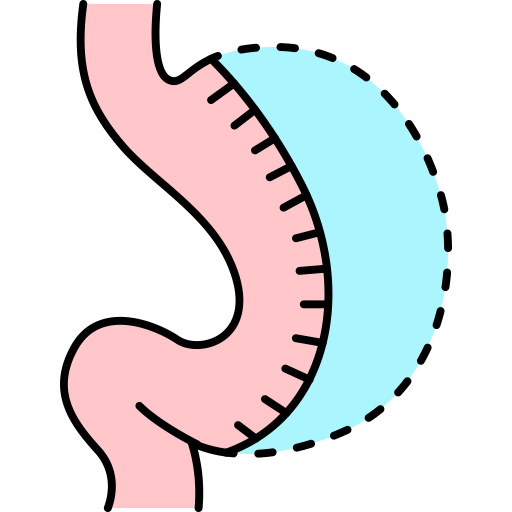
This is currently the single most commonly performed bariatric procedure. A large portion of the stomach is removed, reshaping it into a narrow “sleeve.” This reduces food intake capacity and lowers the hunger hormone (ghrelin), helping control appetite naturally. It’s done laparoscopically — smaller incisions, less pain, and quicker recovery.
3. Gastric Bypass Surgery
In this procedure, a small stomach pouch is created and connected directly to the small intestine, so food bypasses most of the stomach. It reduces both food intake and calorie absorption, making it especially effective for patients with type 2 diabetes or severe obesity. Among all bariatric procedures, this is currently the fastest-growing option because of its strong, long-term results.
4. GLP-1 Weight-Loss Medications (like Semaglutide, Tirzepatide)
Over the past few years, GLP-1-based injectable medications have seen an explosive rise in use, becoming one of the most talked-about weight loss treatments right now. These drugs help control appetite and manage blood sugar levels, and are a non-surgical option many patients try first. That said, research consistently shows that for severe obesity, surgery still delivers more significant and more durable long-term results — so medication and surgery are often used as complementary tools rather than competitors, with some patients starting on medication before eventually needing surgery.
5. Intragastric Balloon (Gastric Balloon)
This is a non-surgical, minimally invasive option that’s gaining popularity for people who aren’t ready for surgery. A soft silicone balloon is placed in the stomach via endoscopy and inflated, reducing stomach space and appetite. It’s removed after a few months — no cuts, no incisions, and a shorter recovery period.
How to Choose the Right Treatment
No treatment is right just because it’s “trending” — the right choice depends on your BMI, existing health conditions, age, and lifestyle. It’s important to:
- Get a complete medical history and diagnostic workup done first
- Consult an experienced bariatric surgeon
- Understand the benefits, risks, and recovery time of each option
- Be prepared to follow post-surgery diet and lifestyle changes
LivLife Hospitals — Trusted, Expert Guidance
If you’re looking for reliable Bariatric Surgery in Hyderabad, LivLife Hospitals is a name that has helped thousands of patients through their weight loss journey — from Gastric Sleeve to Gastric Bypass, every procedure is performed with insurance-approved support and advanced laparoscopic technology.
The hospital’s surgical team is led by Dr. Nandakishore Dukkipati, an experienced Bariatric Surgeon in Hyderabad with over two decades of expertise in bariatric and advanced laparoscopic surgery. He’s joined by Dr. Deepti J. Thakkar, who brings additional expertise in laparoscopic procedures.
When looking for the Best Hospital in Hyderabad for your weight loss journey, it’s worth evaluating the surgeon’s experience, hospital facilities, and post-surgery patient support — not just rankings or advertising claims.
Conclusion
Your weight loss journey is unique to you — so the goal isn’t to find the “most trending” treatment, but the one that’s right for your specific situation. Bariatric Surgery continues to be the most trusted and effective long-term solution for severe obesity, while newer options like GLP-1 medications and gastric balloons are giving patients more non-surgical paths to start their journey. Making this decision with accurate information, proper diagnostics, and guidance from an experienced medical team leads to the safest and most lasting results.
Frequently Asked Questions (FAQs)
Q1. Which weight loss treatment is most effective for severe obesity?
Bariatric Surgery remains the most effective and durable treatment for severe obesity, particularly for patients who also have conditions like diabetes or high blood pressure.
Q2. Which bariatric surgery is performed the most?
Gastric Sleeve Surgery (Sleeve Gastrectomy) is currently the most commonly performed bariatric procedure, as it’s relatively straightforward, safe, and effective.
Q3. Can medications (GLP-1) help you lose as much weight as surgery?
Generally, surgery leads to greater and more durable weight loss, especially for severe obesity. Medications can be helpful for mild-to-moderate cases or as a starting step before surgery.
Q4. What BMI is required to be eligible for bariatric surgery?
Typically, a BMI of 30+ (with related health conditions) or 35+ (without other conditions) is considered for surgery, but the final decision is made after a doctor’s evaluation.
Q5. Is a gastric balloon a form of surgery?
No, it’s a non-surgical procedure — the balloon is placed via endoscopy, with no cuts or incisions involved.
Q6. How long does recovery take after bariatric surgery?
With laparoscopic bariatric surgeries, patients are usually discharged from the hospital within a few days and can return to normal routine within a few weeks, though this varies based on the procedure and the patient’s health.