
Why Obesity Is Called a Silent Killer
Introduction:
Obesity is now one of the most severe but the least addressed issues in the world in terms of health. Obesity is often a slow progression, often undetectable, and it silently damages the vital organs and predisposes an individual to life-threatening diseases significantly. This is precisely the reason why obesity has become a silent killer- it destroys the body gradually, and many individuals are not aware of its effects.
In contrast to acute diseases, obesity is not normally accompanied by severe pain or symptoms. Nonetheless, its chronic effect on the heart, the metabolism, the joints, and allaspects of health may be disastrous unless they are addressed.
Understanding Obesity and Its Growing Impact
Obesity is a health problem that entails the presence of excess body fat, which adversely impacts health. It is usually measured through the Body Mass Index (BMI), and fat distribution, lifestyle, and metabolic conditions are also important. Unhealthy lifestyles and diets, the stres,s and physical inactivity have led to a drastic increase in obesity among people of all age groups.
The most threatening factor of obesity is that individuals tend to be accustomed to the increase in weight as a cosmetic phenomenon, but not as a severe health problem.
Why Obesity Is Called a Silent Killer
Obesity earns this label because it silently increases the risk of multiple chronic diseases without causing noticeable symptoms in its early stages. Many individuals feel “normal” while internal damage progresses. By the time complications are diagnosed, the condition may already be advanced and difficult to reverse.
Excess body fat disrupts hormonal balance, increases inflammation, and places continuous strain on vital organs. This slow and silent progression is what makes obesity especially dangerous.
Major Health Risks Associated with Obesity
Obesity has a great impact on almost all body systems. Among the most dangerous health threats, there are:
Heart Disease and Stroke
Obesity elevates blood pressure, cholesterol levels, and inflammation, which are very likely to lead to heart attacks and strokes.
Type 2 Diabetes
Too much fat disrupts the activity of insulin, thus resulting in insulin resistance and loss of control in the level of blood sugar in the body.
Joint and Mobility Problems
Additional body weight causes tremendous strain on the knees, hips, and the spine, leading to chronic pain and arthritis ata young age.
Respiratory Disorders
Obesity may cause breathing problems, sleep apnea, and affect lung capacity.
Fatty Liver Disease
The fat that builds up in the liver may lead to inflammation, liver damage, and upon failure to treat it, liver failure may set in.
Hormonal and Fertility Problems
Obesity interferes with the hormone, hence causing menstrual imbalances, infertility, and pregnancy-related complications.
Increased Cancer Risk
Research has attributed obesity to the increased risk of developing breast, colon, and endometrial cancer, among other cancers.
Why Obesity Often Goes Unnoticed
Normalization of obesity is one of the largest obesity challenges. The gradual weight gain is a tendency that is often disregarded, particularly at a time when everyday tasks are controllable. Medical attention is delayed even further by social acceptance of unhealthy eating patterns and inactive lifestyles. When individuals become diabetic, develop heart disease, or have issues with joints, many of them seek assistance when the damage has already been done through obesity.
How Obesity Can Be Prevented and Managed
Obesity prevention needs long-term lifestyle modifications, no short-term dieting. The important precautions to adopt are:
- Balanced Nutrition concentrated on portion control and whole foods.
- Regular Exercise that is age and fitness-level-appropriate.
- Stress Management in order to prevent emotional eating.
- Sleeping enough to manage metabolism and hunger.
- Frequent Health Examination to detect weight-related problems at an early stage.
Early intervention would be critical in the prevention of complications of obesity.
When Medical Treatment Becomes Necessary
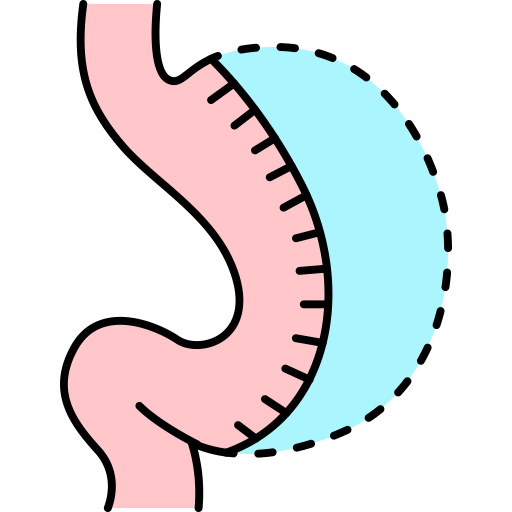
Medical intervention may be needed in cases of people who are unable to cope with severe cases of obesity or where the disease is caused by obesity. Upon failed results of lifestyle changes alone, more advanced interventions, such as medications and Bariatric Surgery in Hyderabad, have demonstrated positive and long-lasting outcomes. Such treatments not only contribute to the loss of weight but also contribute to the enhancement of diabetes, blood pressure, and the overall quality of life, provided that they are carried out by trained specialists.
About Dr. Nandakishore Dukkipati
Dr. Nandakishore Dukkipati is a well-trained bariatric and laparoscopic surgeon who specializes in complicated weight-loss operations. His areas of expertise are evidence-based management of obesity, minimally invasive bariatric procedures, and treatment of metabolic disorders. At LivLife Hospitals, Dr. Dukkipati is dedicated to personalized care that aids patients in gaining sustainable weight loss and enhanced health, as well as decreasing the risk factors in obesity and overweight.
Conclusion
Obesity is not just a lifestyle issue; it is a health issue, and it is very severe because it destroys the body silently as time goes by. The knowledge of why obesity is called a silent killer is an indicator of the need to discover at an early age, act promptly, and give proper medical attention. Obesity can be treated successfully, and thus long-term complications can be avoided with proper lifestyle change and professional care, which will restore quality of life.