Why Do Women Gain Belly Fat After 40?
You eat the same food and walk the same distance, yet your waistline keeps growing. Many women notice this between 40 and 50, and most blame themselves. In reality, your body is going through genuine biological changes, and belly fat is often the first visible sign.
At LivLife Hospitals, a Multispeciality Hospital in Hyderabad, women in their forties and fifties tell us the same thing: “I did not change anything, but my body did.” This guide explains why it happens, what it means for your health, and what you can do about it.
Quick Answer: Why Does Belly Fat Increase After 40?
Women gain belly fat after 40 mainly because estrogen falls during perimenopause, shifting fat storage from the hips and thighs to the abdomen. Muscle loss, a slower metabolism, higher stress hormones and poor sleep add to this, making belly fat easier to gain and harder to lose.
Two Types of Belly Fat
- Subcutaneous fat sits under the skin. It is the soft fat you can pinch.
- Visceral fat lies deep inside the abdomen, around organs like the liver and intestines.
Visceral fat is the real concern. Mayo Clinic links it with heart disease, type 2 diabetes, high blood pressure, abnormal cholesterol and fatty liver. It can appear even in women who look slim, so waist size often says more than the weighing scale.
Why Women Gain Belly Fat After 40
1. Falling estrogen changes where fat goes
Estrogen influences where your body stores fat. As it declines, fat moves toward the abdomen. Cleveland Clinic notes this can start well before periods stop, so you may see it in your early forties. Research on women’s health shows the risk of obesity rises sharply after 40, around the time perimenopause begins.
2. Silent muscle loss
From your thirties, you slowly lose muscle unless you work to keep it. Muscle burns more calories than fat, even at rest. With less muscle, your body needs fewer calories, so the same meals now leave extra energy stored, often around the middle.
3. Stress and cortisol
The forties are often the busiest decade: career, children’s studies, ageing parents. Chronic stress keeps cortisol high, and high cortisol is associated with visceral fat gain. It also pushes people toward comfort food and away from exercise.
4. Poor sleep
Hot flashes, night sweats and anxiety disturb sleep during perimenopause. Short sleep raises hunger and sugar cravings the next day, and it raises cortisol too, creating a cycle that is hard to break.
5. Insulin resistance, thyroid and PCOS
With age, the body can respond less well to insulin, so more sugar gets stored as fat. An underactive thyroid slows metabolism, and PCOS can also affect belly fat. Stubborn weight gain deserves a proper medical check, not another crash diet.
6. Genetics and daily habits
Family history affects where you gain weight. Long hours of sitting, alcohol, and a diet heavy in white rice, sweets and fried snacks make the effect stronger.
Why It Is More Than a Cosmetic Concern
Visceral fat releases inflammatory substances and disturbs how your body handles sugar and cholesterol. Over time, this raises the risk of diabetes, heart disease, fatty liver, sleep apnea and high blood pressure.
What Actually Helps
There is no spot-reduction exercise. Crunches strengthen abdominal muscles but do not burn the fat above them. What works is a steady combination of habits:
- Build muscle. Strength training two to three times a week is the most effective change after 40. Add brisk walking or cycling.
- Eat enough protein. Include dal, eggs, paneer, curd, fish, chicken or sprouts in every meal to protect muscle and stay full.
- Cut refined carbs and sugar. Choose millets, whole grains, vegetables and fibre. An anti-inflammatory style of eating, rich in vegetables, nuts and healthy fats, supports metabolic health.
- Protect your sleep. Aim for seven to eight hours, and see a doctor if hot flashes keep waking you.
- Manage stress. Yoga, pranayama and daily walks lower cortisol.
- Limit alcohol and avoid smoking. Both increase belly fat.
- Get blood tests. Thyroid, blood sugar, HbA1c, cholesterol and vitamin D can reveal causes that diet alone cannot fix.
When Lifestyle Changes Are Not Enough
Sometimes weight does not move despite honest effort, especially when obesity comes with diabetes, high blood pressure, joint pain or sleep apnea. Seeking medical help then is not failure; it is the right next step.
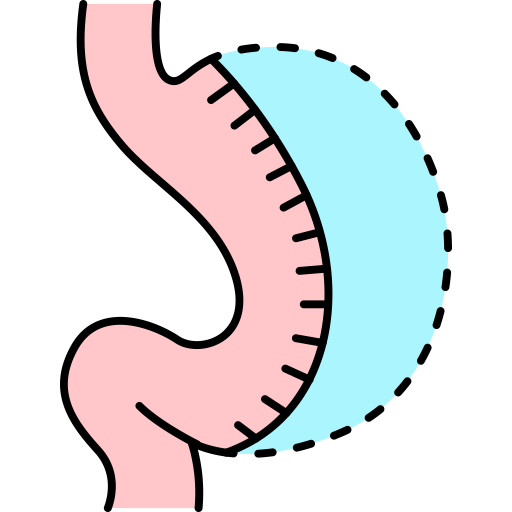
This is where Bariatric Surgery in Hyderabad can become a genuine option. These procedures change how the stomach or digestive system works, helping people lose substantial weight and often improving conditions like type 2 diabetes. According to LivLife Hospitals, candidates generally have a BMI of 30 or above with weight-related conditions, or 35 or above without them, and are usually aged 18 to 65. Surgery is never the first step for everyone, and it works best with nutrition guidance, follow-up and lifestyle change.
How LivLife Hospitals Supports Women at This Stage
LivLife Hospitals is at Jubilee Hills, Hyderabad, with another centre in Vijayawada. Though known for bariatric care, it offers wider services relevant to midlife weight gain:
- Weight loss procedures: gastric sleeve, gastric bypass, mini gastric bypass, adjustable gastric band, gastric balloon, gastric imbrication and revision surgery.
- Hormone Clinic: thyroid, PCOS and age-related hormonal concerns.
- Anti-Inflammatory (A.I.) Diet programme, with personalised nutrition guidance and pre- and post-operative support.
- Laparoscopic and general surgery, including hernia and gallbladder procedures.
- Plastic surgery, such as tummy tuck for loose skin after major weight loss.
- Diagnostics, imaging, day-care services and insurance assistance.
The team is led by Dr. Nandakishore Dukkipati, Chief Surgeon and Managing Director, who has over two decades of experience in bariatric, general, hernia and advanced laparoscopic surgery. Dr. Deepti J. Thakkar, a laparoscopic surgeon, is also part of the team. With these specialities under one roof, your hormones, diet, weight and surgical needs can be assessed together.
Final Thoughts
Belly fat after 40 is not laziness or failure. It is the combined effect of hormonal change, muscle loss, stress and poor sleep. You can respond, first with strength training, better food, sleep and stress care, and then with medical guidance. If weight and related health problems are beyond what lifestyle changes can manage, speaking with specialists about Weight Loss Surgery in Hyderabad can help you understand what suits you.
Frequently Asked Questions
Is belly fat after 40 normal?
It is very common, because hormonal change, muscle loss and slower metabolism favour abdominal fat. Common does not mean harmless, so track your waist size and health markers.
Can I lose belly fat after menopause?
Yes. Menopause weight gain is not inevitable or permanent. Strength training, protein and fibre-rich food, good sleep, stress control and treatment of thyroid or sugar problems can reduce it at any age.
Does hormone therapy help with belly fat?
Some studies suggest women on menopausal hormone therapy carry less belly fat, but it has its own risks and benefits. Never start it on your own; discuss it with a qualified doctor.
When should I see a doctor?
Consult a doctor if weight rises despite healthy habits, your waist is above the risk range, or you also have fatigue, irregular periods, hair loss, excessive thirst, breathlessness or snoring.
Is weight loss surgery safe after 40?
For suitable candidates, laparoscopic procedures by an experienced team are generally considered safe, but every surgery carries some risk. A full evaluation is essential before deciding.