Can Bariatric Surgery Improve PCOS Symptoms in Women?
If your periods arrive when they please, your weight refuses to budge no matter how carefully you eat, and acne or unwanted hair keeps knocking your confidence, you may be living with polycystic ovary syndrome (PCOS). Research suggests PCOS affects roughly 8 to 13 percent of women of reproductive age, and many of them hear the same advice again and again: “just lose weight.” Anyone who has tried knows how hard that is when the condition itself works against you.
That frustration is why more women, and their doctors, are asking whether weight-loss surgery can help. At LivLife Hospitals, a Multispeciality Hospital in Hyderabad, we regularly meet women who have tried diets, gym routines and medicines for years. This guide explains in plain language what the research says, who may benefit, and what to expect.
Why PCOS and weight are so closely linked
PCOS is both a hormonal and a metabolic condition. Many women with PCOS have insulin resistance, which means the body needs more insulin than normal to keep blood sugar in check. High insulin levels push the ovaries to make more androgens (male-type hormones). That disrupts ovulation and leads to irregular cycles, acne, thinning scalp hair and unwanted hair growth on the face and body.
Extra body fat, especially around the abdomen, makes insulin resistance worse. The result is a stubborn loop: more weight leads to more insulin, more insulin leads to more androgens, and higher androgens make weight loss harder. It is worth saying that PCOS also affects lean women, so weight is not the only cause. But when obesity is present, it is one of the biggest amplifiers.
How can bariatric surgery help PCOS?
Bariatric (also called metabolic) surgery reduces the size of the stomach and, in some procedures, changes how food travels through the gut. The outcome is significant, lasting weight loss along with changes in gut hormones that affect hunger and blood sugar. For PCOS, the benefits are believed to come from several directions:
- Lower insulin resistance: Blood sugar and insulin levels often improve early, sometimes even before major weight loss shows on the scale.
- Lower androgen levels: As insulin falls, the ovaries tend to make fewer androgens.
- Return of ovulation: More regular hormone signalling can bring back predictable cycles.
- Less inflammation and body fat: Both are linked to worsening PCOS symptoms.
What does the research say?
The evidence is encouraging, although much of it comes from observational studies rather than large randomised trials.
- A 2016 analysis in Obesity Surgery pooled 13 studies covering 2,130 women. The share of women with PCOS dropped from about 45.6 percent before surgery to roughly 6.8 percent at 12 months, and both menstrual irregularity and hirsutism fell significantly.
- A 2019 analysis in Surgery for Obesity and Related Diseases found that the risk of abnormal menstruation fell sharply after surgery (relative risk 0.23), with hirsutism also reducing.
- A 2026 systematic review in Frontiers in Endocrinology, covering 27 studies, again found fewer menstrual irregularities and less hirsutism after bariatric surgery, and looked at hormone markers such as testosterone as well.
An honest caveat: most of these studies involved women with severe obesity, and researchers still call for more PCOS-focused trials. The results are promising, but not a guarantee for any one individual.
Which PCOS symptoms may improve?
Results vary from woman to woman, but after surgery many patients notice:
- Irregular or missed periods: cycles often become more regular within the first year.
- Excess hair growth (hirsutism): a gradual reduction. Hair follicles respond slowly, so patience helps.
- Acne and oily skin: often better as androgen levels settle.
- Insulin resistance and diabetes: frequently improved or easier to control.
- Fertility: ovulation may return, improving the chance of conceiving.
- Related conditions: fatty liver, sleep apnoea and high blood pressure often improve too.
Which procedures are used?
The most common options are sleeve gastrectomy, gastric bypass and mini gastric bypass. No single procedure has been proven best for PCOS specifically, so the choice depends on your BMI, blood sugar, reflux and overall health.
Who is a candidate?
Bariatric surgery is usually considered for women who:
- Have a BMI of 35 or more, or a BMI of 30 or more with conditions such as type 2 diabetes or high blood pressure (some guidelines suggest lower thresholds for people of Asian origin, so your surgeon will advise based on your case)
- Are between 18 and 65 years old
- Have already tried supervised diet, exercise and medical treatment without lasting success
- Are ready to commit to long-term lifestyle changes and follow-up
It is generally not meant for women with PCOS who are at a healthy weight. For them, medicines, nutrition, exercise and hormonal care remain the right route.
Fertility and pregnancy after surgery
Because ovulation can return quickly, pregnancy can happen sooner than expected. Doctors generally advise avoiding pregnancy for roughly 12 to 18 months after surgery, while weight is still falling. During that time, use reliable contraception, take the supplements your team prescribes, and plan pregnancy together with your doctors.
Risks and realistic expectations
Every surgery carries risks, including bleeding, infection, leaks, gallstones, reflux and nutritional deficiencies if supplements and follow-ups are skipped. Surgery also does not cure PCOS. If weight returns, symptoms can return as well, and some women still need medicines or hair-removal treatments. Think of surgery as a powerful tool that works best alongside good nutrition, regular activity and lifelong follow-up.
How LivLife Hospitals supports women with PCOS
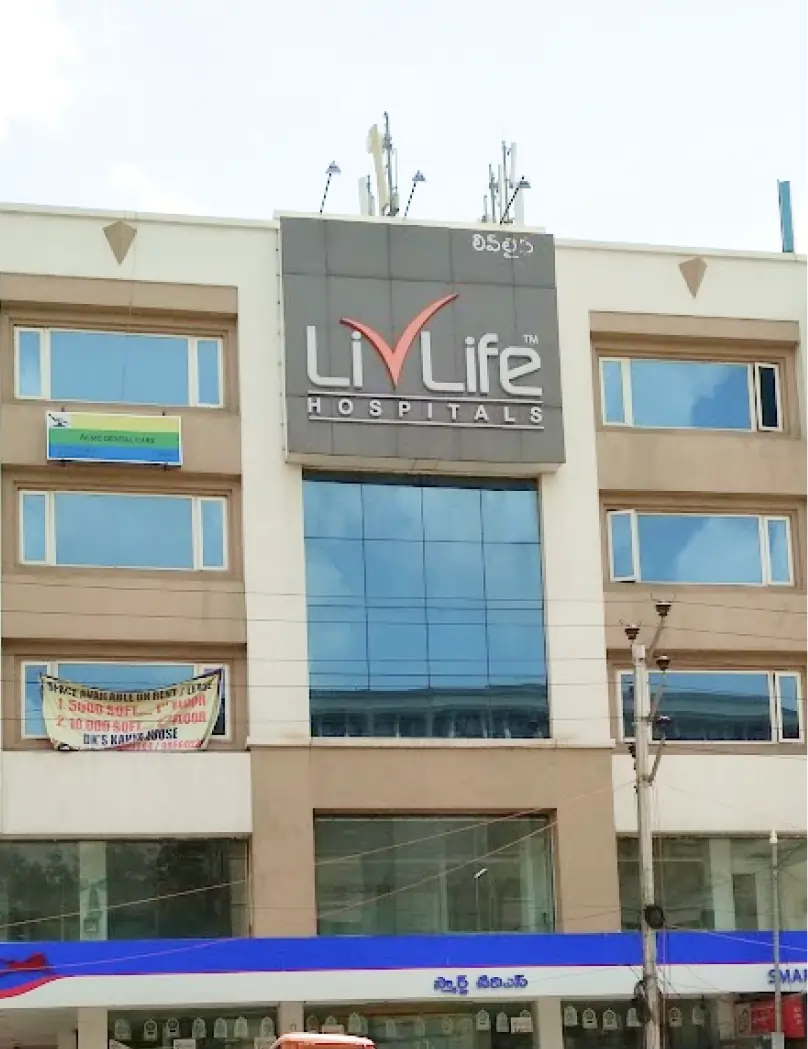
LivLife Hospitals is based in Jubilee Hills, Hyderabad, with another centre in Vijayawada. Our work goes well beyond weight loss. Alongside bariatric care, the hospital offers advanced laparoscopic and general surgery, plastic and cosmetic procedures including body contouring after weight loss, dermatology, a hormone clinic that covers thyroid and PCOS concerns, GERD and endoscopy services, orthopaedics and pain management. That range matters, because PCOS rarely travels alone.
If you are exploring Bariatric Surgery in Hyderabad, here is what patients can expect at LivLife:
- Modern operating theatres with laparoscopic and robotic systems
- A multidisciplinary approach with diet and nutrition guidance
- Pre- and post-operative support through a structured weight-loss programme
- Insurance assistance and an online BMI and eligibility check
The bariatric programme is led by Dr. Nandakishore Dukkipati, Chief Surgeon and Managing Director, who has over two decades of experience in bariatric, general and advanced laparoscopic surgery. The hospital states that it has performed more than 5,000 bariatric surgeries.
How to choose the right surgical team
Choosing who operates on you matters as much as choosing the procedure. Before you decide, look for these signs:
- Proven experience in laparoscopic bariatric procedures
- A team approach that includes a surgeon, dietitian, physician and, where needed, a counsellor
- Honest counselling about risks, with no promise of guaranteed results
- A clear long-term follow-up plan
When you meet a Bariatric Surgeon in Hyderabad, do not hesitate to ask how many procedures they perform each year, how complications are handled, and how they support patients with hormonal conditions such as PCOS.
Final thoughts
For women living with PCOS and obesity, bariatric surgery can ease several of the symptoms that affect daily life: irregular periods, unwanted hair, insulin resistance and difficulty conceiving. It works best when the decision is informed, the team is experienced and the follow-up is consistent. If you would like to know whether you qualify, you can book a consultation at LivLife Hospitals.
Frequently asked questions
Can bariatric surgery cure PCOS?
No. PCOS is a long-term condition. Surgery can greatly reduce its symptoms and metabolic effects in women with obesity, but ongoing care is still important.
How soon do periods become regular after surgery?
Many studies measured improvement around 12 months after surgery, and some women notice changes sooner as weight and insulin levels fall.
Is bariatric surgery safe for women with PCOS?
With an experienced team and a well-selected patient, it is generally considered safe, but like any surgery it has risks.
Can I get pregnant after bariatric surgery?
Yes, and fertility often improves. Most doctors advise waiting 12 to 18 months first.
Should I try medicines or lifestyle changes first?
Yes. Surgery is usually considered only after supervised diet, exercise and medical treatment have not worked well enough.